The Importance of Smiles and How Veneers from a Dentist Solve Problems
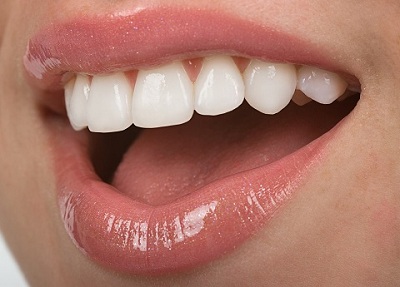
Despite some trends that surface in social media nowadays, it’s still the smile that most people notice and care about. A dazzling set of evenly-shaped ivories can go a long way.
The Relevance of Smiles
The results of a survey by the American Academy of Cosmetic Dentistry (AACD) show that most people place a high value on a person’s smile. First off, almost all adults (99.7 percent) believe that a smile is a valuable social asset. On the other hand, 96 percent believe that an attractive smile enhances a person’s appeal to the opposite sex. Meanwhile, about 74 percent thinks that an unattractive smile negatively affects career success.
The AACD is not alone in these conclusions. Many other studies and surveys present similar findings, like more people associating good personality with straight teeth, good smiles improving social lives, and crooked teeth reducing confidence.
http://www.backmountaindental.com/the-importance-of-smiles-and-how-veneers-from-a-dentist-solve-problems/
Worst Foods for the Teeth: Consult a Dentist to Reverse the Damage

Because teeth get directly in contact with food, it only follows that food has the greatest impact on their health. Some food are more harmful than others, though. Read on to know more about the types of food that will most likely make you need the help of a dentist.
Citrus Fruits
These fruits are highly acidic – their name comes from citric acid, after all. Acids are natural enemies of the teeth as they erode the tooth enamel over time. The National Center for Biotechnology Information (NCBI) published a study on the effects of different citrus fruit juices on human teeth. It found that lemon and grapefruit juice have the strongest erosion effects. Orange juice, however, is less acidic and many store-bought variants are fortified with Vitamin D and calcium, nutrients good for the teeth.
http://www.backmountaindental.com/worst-foods-for-the-teeth-consult-a-dentist-to-reverse-the-damage/
How a Dentist in Scranton, PA Can Make Your Visit Totally Pain-Free

Many people who are wearing traditional and even invisible braces feel restricted when it comes to their options in cosmetic dentistry. Patients who undergo orthodontic treatment plans that are aimed at correcting teeth alignment often express doubt as to whether they can still get their teeth whitened. If you ask a cosmetic dentist from practices serving the Wilkes Barre area, the short answer will be “yes”. Using the proper whitening methods, a dentist can help you get a brighter smile while you’re still working on better alignment and bite.
Bleaching Options
Bleaching is the most recommended type of teeth whitening for patients with braces, particularly one done in the dental office by your dentist. The strength of in-office bleaching is highly effective that it produces a two-tone effect you may notice after your braces have been removed.
http://www.backmountaindental.com/how-a-dentist-in-scranton-pa-can-make-your-visit-totally-pain-free/
Ask a Cosmetic Dentist: Can Teeth with Braces be Effectively Whitened?

Many people who are wearing traditional and even invisible braces feel restricted when it comes to their options in cosmetic dentistry. Patients who undergo orthodontic treatment plans that are aimed at correcting teeth alignment often express doubt as to whether they can still get their teeth whitened. If you ask a cosmetic dentist from practices serving the Wilkes Barre area, the short answer will be “yes”. Using the proper whitening methods, a dentist can help you get a brighter smile while you’re still working on better alignment and bite.
Bleaching Options
Bleaching is the most recommended type of teeth whitening for patients with braces, particularly one done in the dental office by your dentist. The strength of in-office bleaching is highly effective that it produces a two-tone effect you may notice after your braces have been removed.
http://www.backmountaindental.com/ask-a-cosmetic-dentist-can-teeth-with-braces-be-effectively-whitened/
When Veneers Are the Viable Solution
Porcelain veneers are very effective at covering imperfections in the teeth. That said, veneers aren’t a one-size-fits-all solution for damaged teeth. There are a number of situations that warrant their installation: Continue reading
Pain-Free Dentist Visits Are Possible With Some Help
Serious dental procedures can be painful. After all, there are a lot of nerves and pain receptors in your mouth. More often than not, painkillers aren’t enough to block out the pain.
Prettify Your Smile: Cosmetic Dentist Debunks Top Myths about Veneers

A smile can lighten up people’s moods, communicates happiness, and undeniably makes one more eye-catching. It’s no surprise, therefore, that a lot of people invest in cosmetic procedures to make their smile brighter and more attractive. Among the most widely used dental aesthetic materials are veneers—thin shells that resemble enamels, which can be bonded to the teeth to create a smile that’s close to perfect.
Unfortunately, many have developed misconceptions about veneers, primarily due to negative experiences like a poor fit and lack of proper care.
http://www.backmountaindental.com/prettify-your-smile-cosmetic-dentist-debunks-top-myths-about-veneers/
Visit Your Dentist before Little Cracks Completely Destroy Your Teeth

Oftentimes, as long as your smile looks great you’d think brushing is more than enough to keep your teeth in tip-top shape. You probably wouldn’t bother to take a closer look unless the damage to your teeth is obvious or causing you immense pain. But did you know that a lifetime of chewing food and prolonged teeth clenching as a result of stress can lead to dental fractures? Dental fractures don’t only result from blunt trauma; they may also occur as small cracks that pile up over time—a condition called racked Tooth Syndrome.
http://www.backmountaindental.com/visit-your-dentist-before-little-cracks-completely-destroy-your-teeth/
-
Archives
- September 2015 (4)
- August 2015 (1)
- July 2015 (4)
- June 2015 (3)
- May 2015 (6)
- April 2015 (10)
- March 2015 (10)
- February 2015 (8)
- January 2015 (5)
- December 2014 (3)
- November 2014 (10)
- October 2014 (12)
-
Categories
- Back Mountain Dental
- Bruxism
- Cavities
- Children's Dental Care
- Cosmetic Dentistry
- Dental Cleaning
- Emergency Dentistry
- Family Dentistry
- General Dentistry
- Healthy Living
- Just for Fun
- Missing Teeth
- Office Technology
- Oral Hygiene
- Restorative Dentistry
- Sedation Dentistry
- Tooth Sensitivity
- Uncategorized
- White Fillings
-
RSS
Entries RSS
Comments RSS
 Dr. James C. DeFinnis's Dental Blog